The Maternal, Newborn, and Child Health and Nutrition (MNCH/N) Accelerator, implemented by ADRA Nepal, made meaningful progress in improving health and wellbeing in Madhesh Province, particularly in Sarlahi and Mahottari districts. The 3 year project, completed this year, focused on pregnant and lactating women and young children, in disadvantaged and marginalised communities, where maternal and child health indicators had been critically poor.
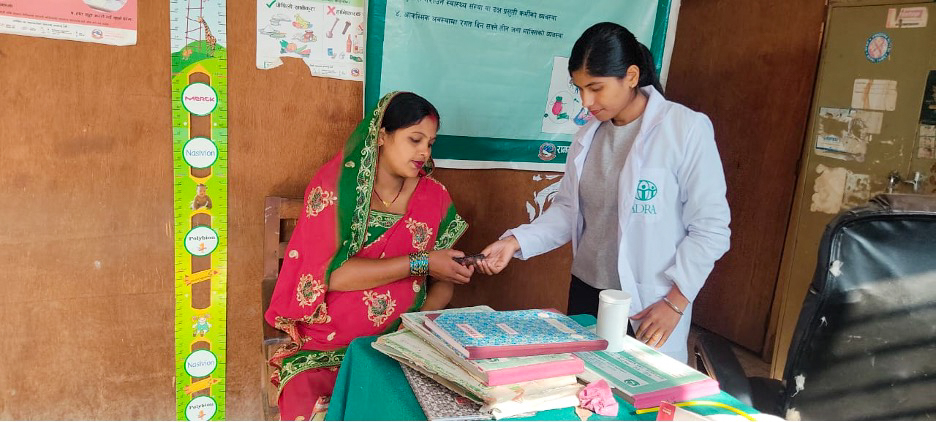
On the supply side, the project strengthened health facilities to provide essential, high-quality care. Health workers were trained in maternal and newborn services, including emergency care, and facilities improved standards and systems based on detailed needs assessments. Local governments and health providers were able to identify gaps and take informed action, resulting in more welcoming, reliable, and responsive services that communities could trust.
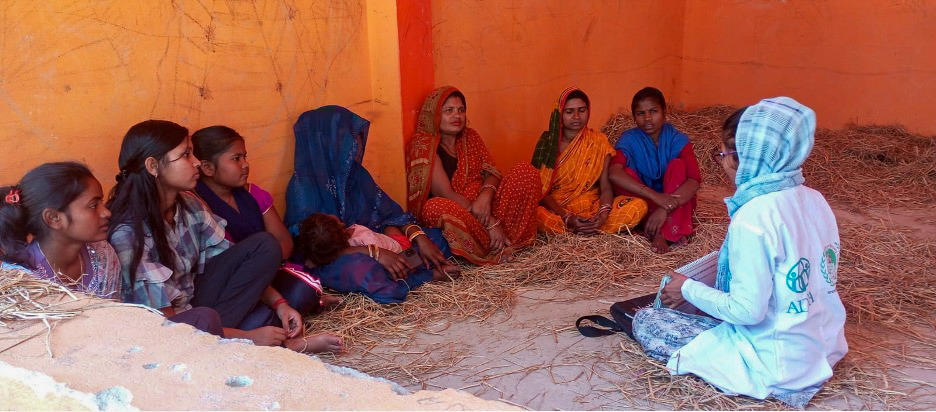
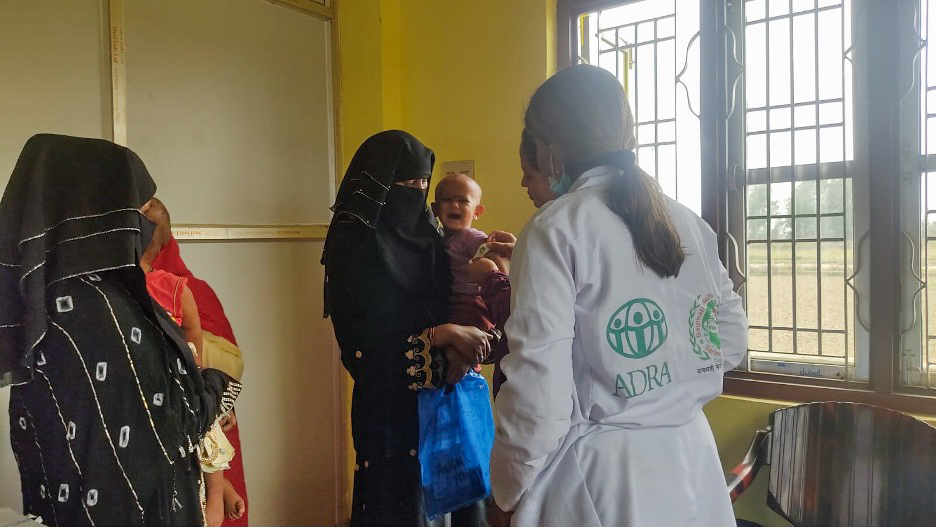
At the community level, the project worked closely with families to build awareness and confidence. Many families, especially from marginalised groups, faced barriers to accessing health services often through their own beliefs and traditions. Some believed that care was only for the “rich,” while others feared they would not be welcome. Traditional beliefs and practices around childbirth, infant feeding, and nutrition—passed down over generations—also influenced health-seeking behaviour.
Community Facilitators, Care Group Volunteers, and Female Community Health Volunteers offered counselling, home visits, and support that helped families adopt safer and healthier practices. Households reported improved hygiene, better nutrition, and greater uptake of antenatal, postnatal, and immunization services. Regular nutritional screening enabled early identification of children with malnutrition, ensuring timely referral and treatment.
Mother Groups, male engagement sessions, and radio messaging helped challenge harmful practices and promote positive behaviours around pregnancy, childbirth, and child feeding. Women who had once avoided health facilities began attending with confidence, knowing they would be treated with respect and dignity. Community feedback mechanisms reinforced trust between families and health providers, creating a more inclusive and supportive health environment.
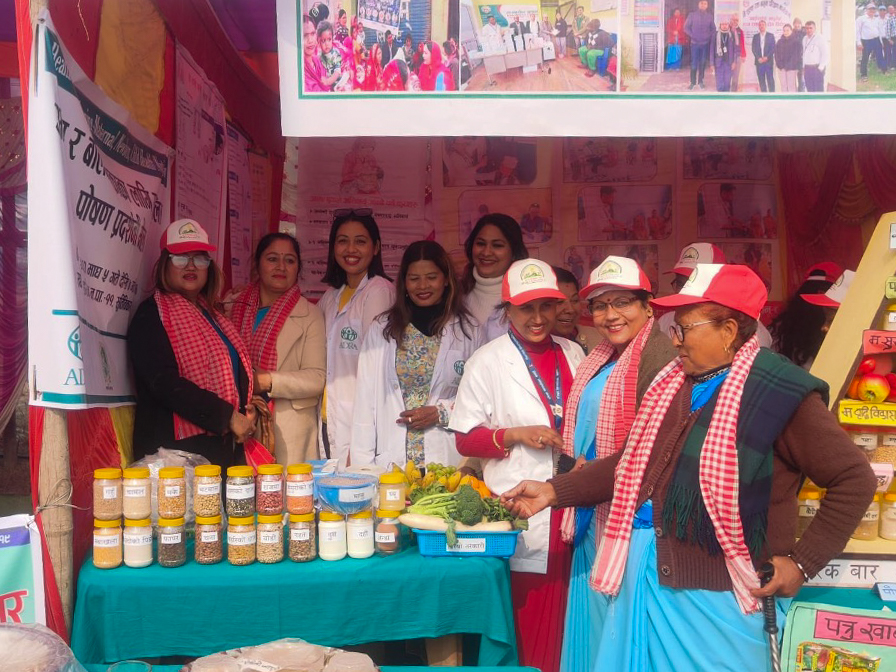
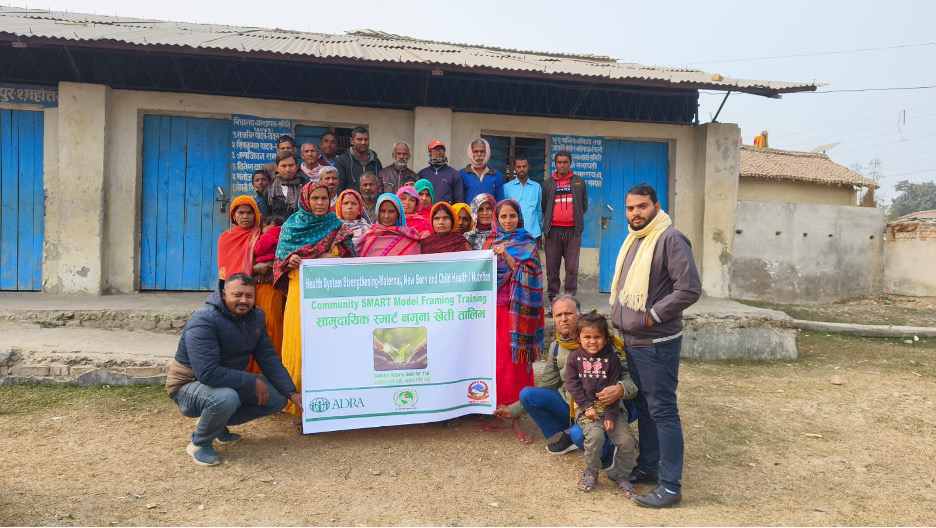
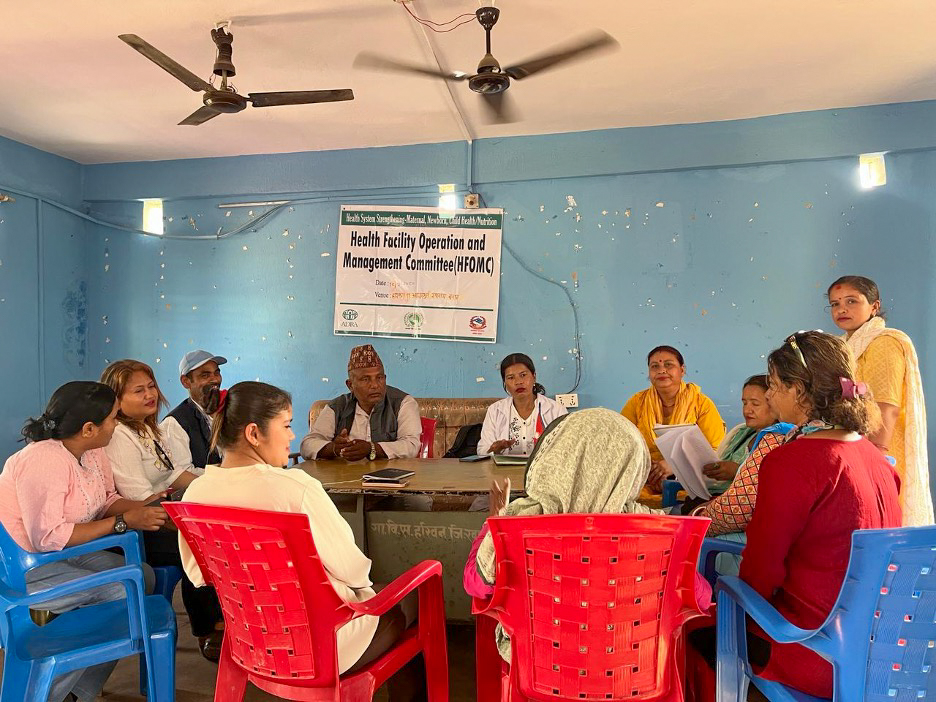
Through inclusive beneficiary selection and active coordination with local governments, the project ensured that support reached those most in need. These combined efforts have increased awareness, improved service quality, and fostered a culture of preventive health and nutrition, particularly among communities that previously felt excluded.
The MNCH/N Accelerator has left a lasting impact: families are better informed and confident in seeking care, and health services are stronger and more accessible. These achievements have laid a strong foundation for continued progress in maternal, newborn, and child health across Madhesh Province.
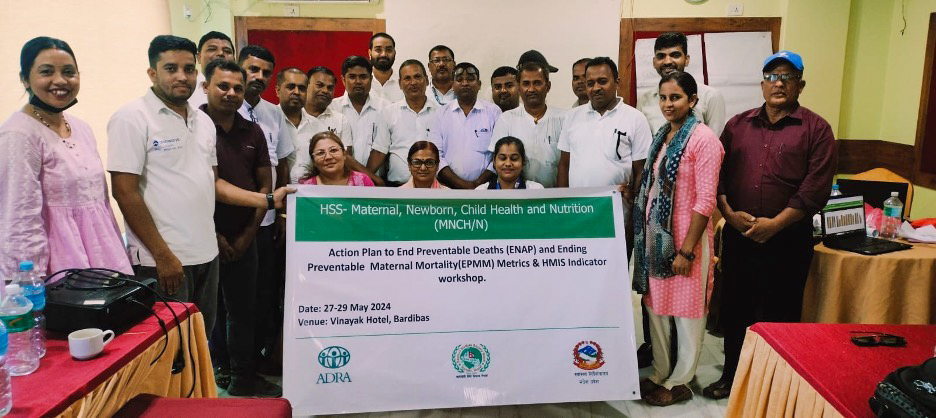
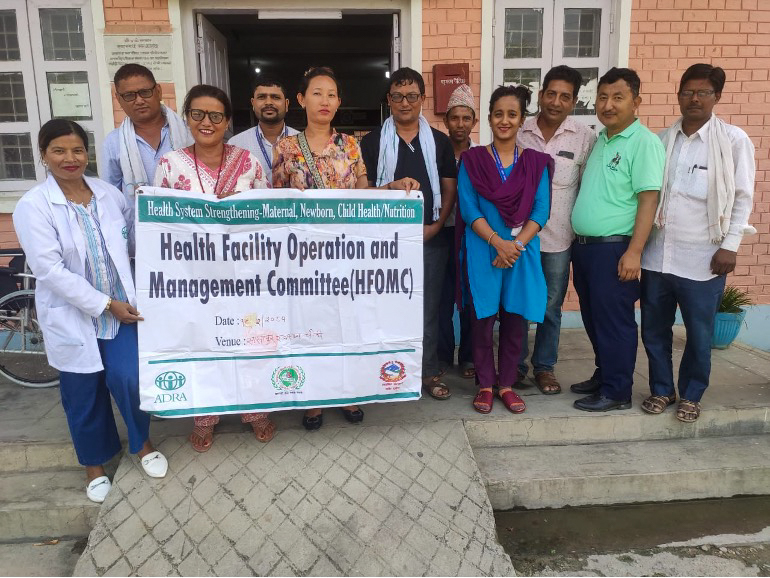
Thank you to ADRA International and ADRA Netherlands for supporting this project and BWSN for partnering with us to implement it.